Improving outcomes for children and families doesn’t happen overnight. It happens little by little—through cross-sector partnerships, shared learning, consistent collaboration, and communities working together toward a common goal.
Join more than 350 leaders from across Georgia on Jekyll Island, Wednesday – Friday, Oct. 21 – 23, for our 2026 Georgia Family Connection Conference. You’ll hear what’s working in communities across the state, discover practical strategies you can put into action, and forge relationships with people committed to helping children and families thrive.
This is where partnerships are built, ideas become action, and statewide impact begins.
Wednesday
12 – 4 p.m. Pre-Conference Sessions
1 – 4 p.m. Registration Open
3 – 4 p.m. Wellness Activity: Beach Walk
5 – 7 p.m. Opening Reception at Jekyll Island Club
Thursday
6 – 6:45 a.m. Wellness Activity
7 a.m. – 4 p.m. Registration Open
7:30 a.m. – 9 a.m. Breakfast Buffet
9 – 10:30 a.m. Workshop Session 1
10:30 – 10:45 a.m. Snack Break
10:45 a.m. – 12:15 p.m. Workshop Session 2
12:15 – 2 p.m. Plenary Luncheon & Keynote
2 – 2:15 p.m. Break
2:15 – 3:15 p.m. Workshop Session 3
3:30 – 3:35 p.m. Group Photo
3:30 – 5 p.m. Shoreline Social Networking Reception on Gazebo Lawn
Friday
6 – 6:45 a.m. Wellness Activity
7:15 – 10:45 a.m. Registration Open
7:30 – 8:30 a.m. Coffee and Light Fare
8:30 – 10 a.m. Workshop Session 4
10 a.m. Brunch & Closing Plenary Session
- Pre-Conference Sessions
- Professional Development
- Healthy Children
- Data, Evaluation & Technology
- School Success & Children Primed for School
- Stable & Productive Families
- Thriving Communities
Pre-Conference Sessions
From Local Collaboration to Lasting Change: A Cohort Showcase
Collaboration matters—especially in moments of change. Join us for a pre-conference showcase featuring the work and lessons of Georgia Family Connection cohorts from communities across Georgia. Hear directly from participating counties about what they’ve learned, what they’ve accomplished, and how cross-sector collaboration has helped move local priorities forward. The session will also feature Kristin Bernhard, executive director of GEEARS: Georgia Early Education Alliance for Ready Students, who will provide perspective on the national and Georgia policy landscape and explore why strong partnerships and collective action are particularly important right now. Together, we’ll explore how the lessons from these communities can inform and inspire continued collaboration across the Georgia Family Connection network.
Mapping the Path to Systems Change: A Collaborative Learning Community Meeting
Georgia Family Connection Strategy Evaluation Learning Communities will come together to explore systems mapping and systems change, with a focus on how addressing underlying system conditions can lead to meaningful and sustainable improvements in community well-being. Using the Water of Systems Change framework as a foundation, participants will examine the systems, structures, and relationships that influence outcomes for children and families. Collaborative coordinators and partners, working alongside their Georgia Family Connection Partnership Evaluation and Results Accountability technical assistance (TA) providers, will begin developing a systems map of their community, identifying key relationships, barriers, and potential leverage points where their strategies can support lasting systems change. Please note that this meeting is only open to the Collaboratives in this learning community.
Communications Office Hours: Targeted TA for Collaboratives
Need a little help with your communications? Join GaFCP Communications team member Krystin Dean for a 15-minute, one-on-one technical assistance (TA) session tailored to your Collaborative’s needs. Topics may include social media, website content, publications, Canva, communications planning and strategy, and more. Advance sign-up is required. When registering, Collaborative coordinators should select an available timeslot and provide a brief overview of the topic, question, or challenge they’d like to discuss.
This is offered on a first come, first served basis. Sign up here.
Presenter
Krystin Dean
Associate Director of Communications
Georgia Family Connection Partnership
Professional Development
Resilience by Design: Managing Load, Protecting Capacity, and Sustaining Performance
The evidence-based Community Resiliency Model (CRM)® trains community members to help themselves and those within their wider social network. The focus of this skills-based, stabilization program is to reset the natural balance of the nervous system. CRM’s goal is to help create trauma-informed and resiliency-focused communities that share a common understanding of the impact of trauma and chronic stress on the nervous system and how resiliency can be restored or increased using this skills-based approach. Learn to track your own nervous system to bring the body, mind, and spirit back into greater balance—and pass the skills along to family, friends, and your community. You will leave able to share methods as self-care for community members who respond to crisis situations or live in highly traumatized or marginalized communities.
Presenter
Sharon Brewer
Certified Community Resiliency Model (CRM) Teacher
Wellroot Family Services
Talk, Decide, Act: Facilitating Conversations That Strengthen Communities
Helping people work through challenging issues takes thoughtful facilitation and attention to what matters to those involved. This workshop will introduce practical ways to welcome different perspectives, encourage meaningful listening, and guide participants in weighing options and trade-offs. Participants will explore how to help groups navigate disagreement, make decisions together, and identify steps they can take to address local priorities and improve their communities. The session will also feature a brief introduction to What’s Next, America?, an initiative of the National Issues Forums Institute that supports communities as they talk, decide, and act together. Participants will learn about resources and community grant funding that can support their efforts to turn productive conversations into collective action.
Presenter
Dawn Harfmann
Program Manager
National Issues Forums Institute
Linda Seals
State Specialized Agent
University of Florida/IFAS Extension
Do Less, Lead More
The most effective leaders are not the busiest. They are the ones who decide what truly matters and protect their energy accordingly. This session reframes leadership for high performers by addressing passion fatigue—the quiet loss of energy that comes from doing too much of the wrong work, not from burnout. It challenges the belief that success requires constant output and instead offers a practical framework for focusing on what truly drives impact, energy, and alignment. The result is a more intentional way to lead—one that creates stronger outcomes at work and a more sustainable, fulfilling life.
Presenter
Jennifer Abshire
CEO and Founder
Abshire Public Relations
Crafting A Strategic Communications Plan: From Audience to Action
Discover how a strategic communications plan can create clarity, consistency, and greater impact while supporting the outcomes you’re working toward in your community. We’ll start where effective communication always should begin: with a clear understanding of your audience and purpose. Participants will receive a practical strategic communications plan template and explore a sample plan created by a county Collaborative. The session will also highlight tools and methods that make strategic planning easier and more sustainable. Leave with actionable strategies for prioritizing communications work and creating a plan that is both strategic and realistic—one that helps guide decisions, focus resources, and strengthen the impact of your work.
Presenters
Rebecca Bliss
Regional Manager
Georgia Family Connection Partnership
Krystin Dean
Associate Director of Communications
Georgia Family Connection Partnership
Healthy Children
Using HOPE to Reduce Risk and Strengthen Youth Outcomes
Behavioral health, peer support, and prevention initiatives across Georgia supported by the Georgia Health Policy Center’s Center of Excellence for Behavioral Health and Wellbeing (COE) are demonstrating that positive childhood experiences (PCEs) are powerful, measurable drivers of resilience. This session introduces the HOPE (Healthy Outcomes from Positive Experiences) framework and illustrates how COE‑supported programs intentionally create the conditions that help youth thrive—even when they face adversity, trauma, or high adverse childhood experiences (ACEs). Drawing from real examples, participants will see how HOPE principles are already embedded across Georgia’s behavioral health ecosystem. These initiatives demonstrate how nurturing relationships, safe environments, youth voice, and meaningful engagement reduce risk, strengthen resilience, and improve long‑term outcomes. The session highlights how peer support creates belonging and trusted relationships; how clubhouses offer safe, structured environments for recovery and emotional growth; how APEX expands access to caring adults in schools; how Sources of Strength and Positive Social Norms shifts social norms toward hope, help‑seeking, and connection; and how evaluation findings show the measurable impact of positive experiences on youth well‑being. Participants will leave with actionable tools to intentionally cultivate PCEs in schools, behavioral health settings, and community organizations—advancing a statewide culture of HOPE.
Presenter
La’Keidra Mitchell
Senior Research Associate, Georgia Health Policy Center
Georgia State University
Child Bereavement 101: Understanding and Supporting Grieving Children
Grief looks different in children than it does in adults, and understanding those differences is essential for anyone who supports young people. This presentation will provide an introduction to child bereavement, exploring how children process loss at different developmental stages and the challenges they may face after the death of a loved one. Attendees will participate in a hands-on activity to experience firsthand how we support our Kate’s Club members. Participants will gain a foundational understanding of children’s grief reactions, learn effective ways to provide support, and leave with tools and resources to help bereaved children and families navigate the healing process.
Presenter
Stacey Sekal
Director of Regional Expansion
Kate’s Club
From Input to Impact: Using the Family Voice Toolkit to Shape Policy and Practice
Members of the Georgia 2GEN Academy in 2014 created the Family Voice Toolkit, a guide to help organizations and agencies engage with the families they serve and support in truly impactful ways. Understand the difference between “family voice” and family engagement, learn how the toolkit assesses an organization’s integration of family voice, and discover how you can use this tool to shape your organization’s policies and practices to improve the impact you have on the families you serve.
Presenters
Bridget Ratajczak
Child and Family Development Supervisor
Georgia Department of Early Care and Learning
Amy Roys
CAPS Director for 2Gen Strategies and Partnerships
Georgia Department of Early Care and Learning
Literacy as Well-Being
Literacy and health are inextricably linked; early literacy, particularly, is often a proxy for overall health and well-being. Governor Brian Kemp signed several bills that recognized the complexity of the issue, and aims to strengthen the pathway to high school graduation and success in later life through an all-hands-on-deck approach. This session will provide an overview of pertinent literacy bills; articulate how leaders are aligning with existing literacy efforts; and explore the potential impact on educators, children, families, and communities.
Presenter
Stacey Lutz
Interim State Literacy Director
Georgia Office of Education and Workforce Strategy
Data, Evaluation, and Technology
From Data to Action: Using Local Data to Strengthen Community Impact
Many Georgia Family Connection Collaboratives are collecting valuable data but need support in organizing, interpreting, and applying that information to drive decision-making and demonstrate impact. This interactive workshop will provide practical tools and strategies for identifying what data to collect, tracking key indicators, and using findings to inform planning, improve programs, and communicate results to partners, boards, and funders. Through real-world examples, peer learning, and guided work time, participants will begin developing an evaluation approach for a program, strategy, or event in their own community and leave with next steps for turning data into meaningful action.
Presenters
Kirk O’Brien
Evaluation Consultant
Fowzio Jama
Evaluation Consultant
Using KIDS COUNT Data to Tell Your Story and Share Impact
This interactive workshop will guide participants in leveraging KIDS COUNT data tools to develop stronger, more compelling county data narratives. Designed for county leaders, coordinators, and data practitioners, the session provides hands-on experience using key KIDS COUNT resources to translate data into actionable insights. Explore how to effectively use data visualizations to communicate trends and outcomes, engage with disaggregated data by race and ethnicity to better understand disparities, and identify comparable counties to support peer learning and collaboration. Practice integrating these tools into your own local context, strengthening your ability to tell data-driven stories that inform decision-making and drive systems change. Leave this session equipped with practical strategies to enhance their county’s data narrative, elevate equity-focused analysis, and foster cross-county partnerships grounded in shared data insights.
Presenter
Jacquan Jordan
Data Manager
Georgia Family Connection Partnership
AI in Action: Practical Applications for Mission-Driven Organizations
Artificial intelligence is rapidly changing how organizations operate, but many nonprofits and public-sector teams are still figuring out what practical adoption looks like in the real world. This session will explore how mission-driven organizations are using AI tools to improve efficiency, support decision-making, reduce administrative burden, and better serve children and families. Attendees will hear practical examples of AI implementation, lessons learned from nonprofit organizations already using these tools, and approachable strategies for incorporating AI responsibly and effectively within their own teams.
Presenters
Matt Barnes
Managing Partner
Workfast Consulting
Zach Blend
CEO
Goshen Valley Foundation
AI For Everyday People: How Communities Can Use AI to Strengthen Families, Create Opportunities, and Improve Outcomes
Artificial intelligence is rapidly changing how we work, communicate, learn, and serve our communities—but many organizations and families still feel overwhelmed by the technology or unsure where to begin. Learn how AI can be used to strengthen families, support workforce development, improve community outreach, increase productivity, and create new economic opportunities—especially in underserved and resource-limited communities. Get real-world examples of how nonprofits, educators, workforce leaders, and small organizations can leverage AI tools—without needing coding or advanced technical skills—to save time, improve communication, increase engagement, and better serve children and families. Leave with practical strategies for using AI ethically and effectively to improve outreach, engagement, storytelling, collaboration, and outcomes.
Presenter
Audrey Bell-Kearney
President
Gwinnett Women’s Chamber
School Success & Children Primed for School
Improving Graduation Outcomes Through Community Collaboration
Explore poster presentations from Georgia Family Connection Collaboratives participating in GaFCP’s Community Partnership for Supporting Youth cohort designed to improve high school graduation rates. Presenters will share challenges faced and lessons learned over the past five years. Find out how partnerships between schools, community organizations, mentors, and local leaders can improve student engagement and graduation outcomes. Learn practical strategies for implementing after-school academic support and one-on-one mentoring programs that address student needs in critical subject areas. Gain insight into overcoming challenges, building sustainable support systems, and creating community-driven solutions that help students stay on track toward graduation and future success. Leave with ideas, strategies, and encouragement on how to strengthen partnerships and build effective student support initiatives within your own community.
Using School Climate Data to Drive Meaningful Change
A positive school climate is closely linked to student and teacher success, such as student attendance, achievement, and engagement, as well as teacher retention. Yet, many communities struggle to use data to drive meaningful change. Explore Georgia’s new school climate surveys and updated School Climate Star Rating system. Learn what’s new, how the data are structured, and how these updates are designed to make results easier to understand and use. Learn practical approaches for interpreting school climate data and how to partner with schools and districts to access and apply these data to support children, families, and educators. This session is ideal for those looking to better understand school climate data and strengthen collaboration to inform decision-making.
Presenters
Dr. Tammi Clarke
Research and Evaluation Specialist
Georgia Department of Education
Anne Ladd
Program Specialist
Georgia Department of Education
Keeping Students on Track: Preventing Discipline and Supporting Success
School Discipline and Preventative Measures is a practical, parent-focused training from Georgia Appleseed that helps families and advocates understand how school discipline works and how to keep students on track. Identify proactive strategies to prevent behavior escalation and reduce suspensions or expulsions. Learn how to demonstrate effective communication and advocacy skills to request appropriate supports and engage constructively with school staff. Review what to expect during discipline proceedings so that families feel prepared, informed, and confident in advocating for their child.
Presenter
Tanesse Brown
Program Manager
Georgia Appleseed
Jack Grote
Program Manager
Senior Staff Attorney
School Attendance Is Everyone’s Business: Building Cross-Sector Solutions
Schools across Georgia continue to grapple with student attendance and engagement, but these challenges are not just a school issue. They have real implications for families, communities, and the state’s future workforce. Drawing on insights from Georgia Partnership for Excellence in Education’s CARES Impact Study, which examined how districts leveraged pandemic relief funds in response to COVID-related disruptions, this session will take a closer look at student attendance, what it reflects, how it’s shifted, and what’s emerging across Georgia in response. Get a clearer understanding of how student attendance impacts all sectors and better understand the value of protecting local leaders from burnout through cross-sector partnerships. Learn about recent state policy actions that position communities for success in the education and workforce development spaces—and identify opportunities to coordinate education and workforce efforts in your own community.
Presenters
Kathleen Da Silva
Director of Regional Engagement
Georgia Partnership for Excellence in Education
Matthew Smith
Director of Policy and Research
Georgia Partnership for Excellence in Education
Stable & Productive Families
Using ACEs Data to Inform Prevention and Improve Lifelong Outcomes
This workshop will provide an overview of the multiple ways to access Adverse Childhood Experiences (ACEs) data. Learn how ACEs impact children’s health, development, and well-being, as well as the long-term effects these experiences can have on outcomes in adulthood. Examine common challenges communities face in preventing and addressing ACEs using data and evidence-informed approaches. Learn about key resources available through the Department of Public Health to support ACEs-related work, along with an overview of the PACE Grant that can be leveraged to strengthen prevention and resilience-building efforts across communities.
Presenter
Grace Morrow
PACE D2A Program Manager
Department of Public Health
Resources That Strengthen Stable and Self-Productive Families: Community Supports Across Georgia
This facilitated resource fair will highlight community partners and organizations dedicated to supporting stable and self-sufficient families across Georgia. Participants will engage with representatives from:
- GeorgiaCAN, an organization that empowers parents and guardians to effectively advocate for their students within the education system;
- Georgia Statewide Afterschool Network, a key resource for all families with particular relevance for single-parent households;
- Georgia Parent Support Network, an organization that provides peer support, education, and resources that empower families to navigate mental health and behavioral health challenges while promoting family stability and resilience; and
- Interfaith Children’s Movement, an organization that resources and strategies that empower faith communities, families, and local partners to improve outcomes for children through advocacy, education, and collaborative action.
Attendees will leave with practical knowledge of available supports and opportunities to connect families to trusted resources.
Presenters
Anna Bourque
Georgia Parent Support Network
Chief Executive Officer
Dr. Cassandra Henderson
Executive Director
Interfaith Children’s Movement
Dr. Ty’Sheka Lambert
Community Engagement Organizer
GeorgiaCAN
Dr. Kinyatta Trice
Associate Director
Georgia Statewide Afterschool Network
Beyond Poverty Stereotypes: Creating Stronger Supports for Families
Families experiencing poverty often face barriers shaped by systems, policies, stereotypes, and bias—increasing stress and involvement with child welfare systems. We need to rethink how we support families and communities. Using real-life perspectives and practical strategies, participants will explore the root causes of poverty, the intersection of poverty and child welfare, and how shifting from “mandated reporter” to “mandated supporter” can help prevent crisis before it occurs. Leave with tools to normalize help-seeking, strengthen family voice, reduce barriers to support, and build more compassionate, family centered communities.
Presenter
Dr. Jyll Walsh
Assistant Director
Positive Childhood Alliance, Georgia State University
Data as A Public Good: Strengthening Family Outcomes Through Trusted Data Systems
This facilitated discussion will bring together members of the Georgia Childhood Essentials Data Working Group, representing trusted state and local data sources across Georgia. Panelists will examine the critical role of data as a public good and its importance in advancing self-sufficient, stable, and thriving families. The conversation will address how limited or restricted access to data can undermine program effectiveness, improved outcomes, and community-level decision-making. Panelists will also discuss current challenges within the federal data landscape and the implications for state and local work. The session will highlight reliable, community-informed data sources that are actively used to improve outcomes for children and families across Georgia.
Presenters
Audrey Idaikkadar
Director of Regional Programs
Resilient Georgia
Grace Morrow
Program Manager and Principal Investigator
Georgia Department of Public Health
Dr. Jyll Walsh
Assistant Director
Positive Childhood Alliance, Georgia State University
Thriving Communities
Investing in Education: Top 10 Issues to Watch in 2026
The Georgia Partnership for Excellence in Education’s (GPEE) policy and regional engagement directors will facilitate discussion on how local leaders can build on existing community assets, forge cross-sector partnerships, and invest in local capacity. The session will address topics outlined in the 2026 Top Ten Issues to Watch, including early learning, career pathways, and teacher quality. Learn about recent state policy actions that position communities for success in the education and workforce development spaces. Understand the value of protecting local leaders from burnout through cross-sector partnerships. Identify key opportunities to coordinate education and workforce efforts in your own community.
Presenters
Kathleen Da Silva
Director of Regional Engagement
Georgia Partnership for Excellence in Education
Matthew Smith
Director of Policy and Research
Georgia Partnership for Excellence in Education
Building A Collective Impact to Better Georgia’s Communities
Resilient Georgia communities will share how they have worked together to support outcomes for families and children. Explore poster presentations that share key highlights, partners, strategies, data, and outcomes of work focused on mental health. Learn how cross-county partnerships among Georgia Family Connection coordinators and key stakeholders can expand impact, while still preserving the ability to make responsive, community-specific decisions. Gain insight into how trauma-informed approaches, poverty awareness, and resiliency-building practices can be implemented to strengthen children, families, and communities. Discover how targeted investments, such as support from Resilient Georgia, can be used to advance mental health initiatives and build stronger, more connected regional systems of care.
Healthy Nonprofits Who Contribute to Thriving Communities: What You Need to Know
Many nonprofits naturally focus most of their energy on advancing the organization’s program mission. While that mission is the heart of the organization, the business side of running a nonprofit is just as important. Financial reporting is often pushed to the back burner, but timely and accurate reporting helps leadership make informed decisions, maintain transparency, meet compliance requirements, and build trust with donors, grantors, board members, and other stakeholders. Learn best practices for financial reporting, the importance of internal controls in regard to fraud and risk, and challenges faced by nonprofit CEOs.
Presenter
Nadia Batey
CPA & Partner
James Moore & Company
Listening First: A Community-Led Approach to Resilience
Community resilience begins with listening, relationship-building, and understanding local strengths before implementing solutions. Using Lanier County Family Connection as a real-world case study, participants will walk through a community discovery process that brought together emergency management, public safety, nonprofits, and community partners to identify strengths, gaps, opportunities, and threats through a SWOT analysis. Collaborative coordinators from Brantley, Cook, and Brooks counties will also share their experiences related to disaster relief. Learn practical strategies for building hyperlocal partnerships, facilitating honest conversations, identifying anchor institutions and trusted leaders, and transitioning from discovery to locally owned action planning. Leave with adaptable tools and approaches to strengthen coordination, preparedness, and resilience within your own community.
Presenters
Dawn Deen
Executive Director
Brantley County Family Connection
Amy Griffin
Executive Director
Lanier County Family Connection
Jeremy McLendon
Deputy Regional Disaster Officer
American Red Cross
Zoe Myers
Executive Director
Cook County Family Connection
Jacqueline Shoemaker
Executive Director, South-Central Georgia Chapter
American Red Cross
Natalie Singletary
Coordinator
Brooks County Family Connection
Meet Our Keynote Speaker
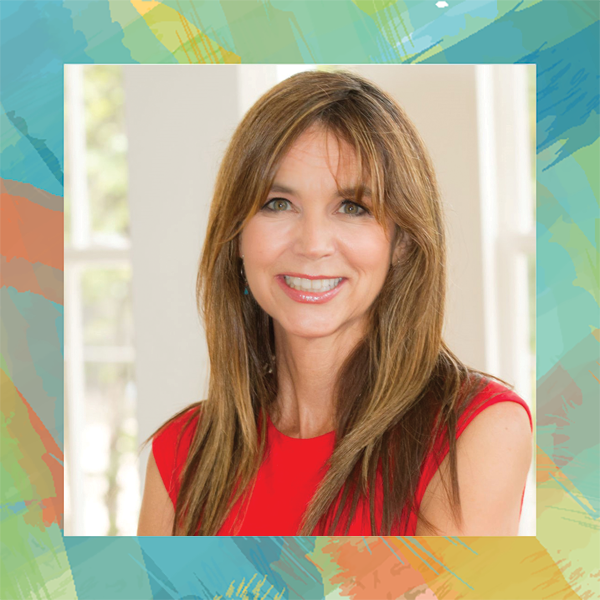
Stephanie Stuckey
Chair, Stuckey’s
Stephanie Stuckey is the Chair of Stuckey’s, the roadside oasis famous for its pecan log rolls. The company was founded by Stephanie’s grandfather, W.S. Stuckey, Sr., as a pecan stand in Eastman, GA in 1937 and grew to over 350 stores across the country. The company was sold in 1964 but is now back in family hands and making a comeback. Stephanie took over the company in November of 2019 and, under her leadership, Stuckey’s has purchased a pecan-shelling and candy-manufacturing facility in Wrens, Ga., revamped its distribution operations based in Eastman, Ga., acquired a healthy pecan-snack company, rebranded its products and website, added four new franchised stores, expanded its B2B retail customer base, and increased online sales 550% — all while weathering the COVID-19 pandemic.
Stephanie received both her undergraduate and law degrees from the University of Georgia. She has worked as a trial lawyer, was elected to seven terms as a state representative, ran an environmental nonprofit law firm that settled the largest Clean Water Act case in Georgia history, served as Director of Sustainability and Resilience for the City of Atlanta, and taught as an Adjunct Professor at the University of Georgia School of Law. Stephanie’s achievements include being named one of the 100 Most Influential Georgians by Georgia Trend Magazine, as well as graduating from Leadership Atlanta. A longstanding member of Glenn Memorial United Methodist Church, she is active in her community and serves on many nonprofit boards, including the Initiative for Affordable Housing, EarthShare of Georgia, and her local zoning review board.
Meet Our Plenary Panel
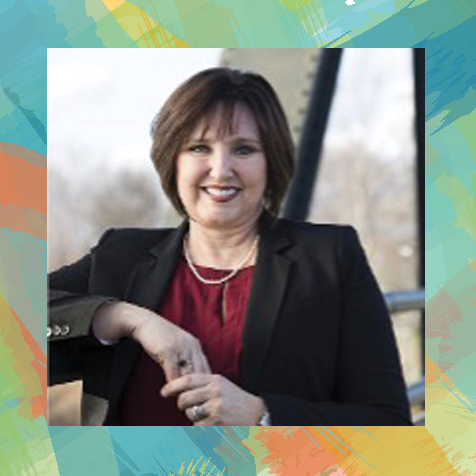 Elyse Davis
Statewide Director of Community/Regional Economic Development, Georgia Power
Elyse Davis leads the team that works with communities to prepare for job creators and existing business expansion opportunities. Elyse and her team work together with Georgia Power’s research, engineering, workforce development, and marketing teams to ensure Georgia businesses and communities have what they need to thrive. Before joining Georgia Power Community & Economic Development team in 2014 as the Northwest Georgia Regional Economic Development Manager, Elyse was the lead executive of community and economic development organizations in Georgia and North Carolina for over 25 years. During that time, she assisted community and economic development organizations, as well as public officials, in developing job growth strategies, locating new businesses, and building high-performance teams in volunteer boards and staff.
Elyse is a member of the Georgia Economic Developer’s Association, Southeastern Economic Development Council, and Georgia Association of Chamber of Commerce Executives. Elyse serves on the GMA Georgia Cities Foundation Board and chairs the Georgia Academy of Economic Development Board. She is a graduate of Leadership Georgia, Leadership North Carolina, and a Paul Harris Fellow of Rotary International. She was recently awarded the prestigious Georgia Economic Developers Association’s Rip Wiley Award for professional achievement.
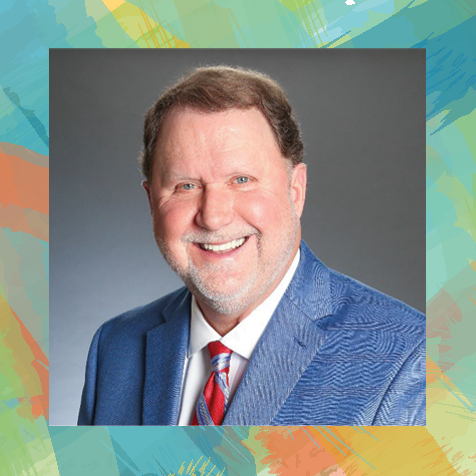
Larry Hanson
CEO and Executive Director, Georgia Municipal Association
Founded in 1933, GMA represents all 536 Georgia cities through its advocacy, training, programs and services, and technical consulting services. Prior to his employment with GMA, Larry served as City Manager for the city of Valdosta for over 22 years. During this time, Valdosta was recognized with numerous state and national awards.
Larry served on the Valdosta State University Alumni Association Board, also serving as its President, and on the University’s Foundation Board. He is a graduate of Leadership Georgia and a charter member of Leadership Lowndes, serving twice as its president. Larry is a Past-President of the Georgia City-County Management Association. Larry also serves on the Board of Directors of the Share the Magic Foundation, which supports literacy and reading for children and youth, particularly in underserved populations. He has served on the Board of Directors of the National League of Cities (NLC), on its Executive Committee and presently serves on its Audit Committee. In addition, he served NLC as Chairman of the State Leagues Steering Committee, which serves all the nation’s 49 municipal leagues and associations. Larry also serves on the Board of Directors of the Fox Theatre.
Larry’s awards for leadership and public service include the 2003 Outstanding Public Official Award from Valdosta State University, the 2004 Carl Vinson Institute of Government/Georgia Trend Magazine Excellence in Public Service Award and the 2010 Georgia City-County Management Association Pillar of Professional Management Award for outstanding leadership and professional service to the local government profession. Georgia Trend Magazine has named him as one of Georgia’s Most Influential Citizens for 9 consecutive years and James Magazine has recognized him as one of the Most Influential Georgians for 6 consecutive years. In 2024, he was named by the Atlanta Business Chronicle as one of Metro Atlanta’s Most Admired CEO’s.
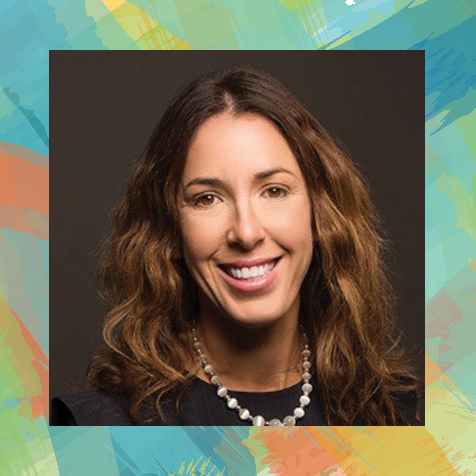
Leslie Ellen Moore, Esq.
Senior Associate, The Annie E. Casey Foundation
Leslie Moore is a senior associate with the Annie E. Casey Foundation’s Policy Reform & Advocacy team. Based in Baltimore, the Foundation works to improve the futures of children and young people by strengthening families, communities and access to opportunity. Leslie develops and implements grantmaking strategies focused on improving outcomes for children, young people and families. Her portfolio includes the KIDS COUNT and State Priorities Partnership networks, and she works with state-based organizations on policy research and analysis, organizational capacity, community engagement, and coalition building. During her tenure at the Foundation, Leslie also served as special assistant to former president and chief executive officer Patrick McCarthy.
Leslie began her career practicing law in Maryland before moving into public policy and government. She spent more than a decade in public-sector policy and legislative roles in New York, California and Maryland, including at New York City’s social services agency and Maryland’s Department of Human Resources. Leslie earned her J.D. from the University of Maryland School of Law.
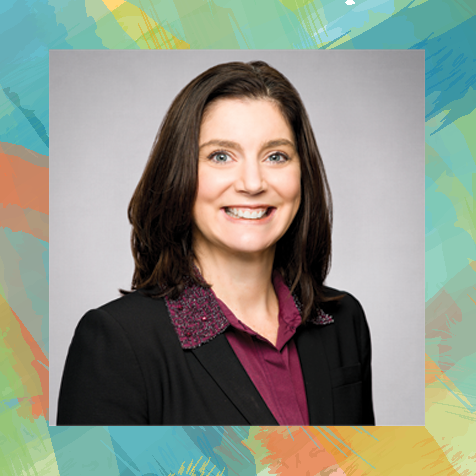
Panel Opening Speaker:
Dana Rickman
President, Georgia Partnership for Excellence in Education
Dana Rickman is the fourth president of the Georgia Partnership, having previously served in positions of vice president and research and policy director. She joined the organization in July 2011 after serving as the Director of Research and Policy at the Annie E. Casey Foundation – Atlanta Civic Site. She has also worked for more than 10 years at Georgia State University conducting research on education programs within Georgia. She holds a PhD from Georgia State University in Political Science and a BA from Mary Washington College. She has authored multiple articles in peer reviewed journals and book chapters related to education policy and for over ten years served as the primary author of the Georgia Partnership’s annual Top Ten Issues to Watch report.
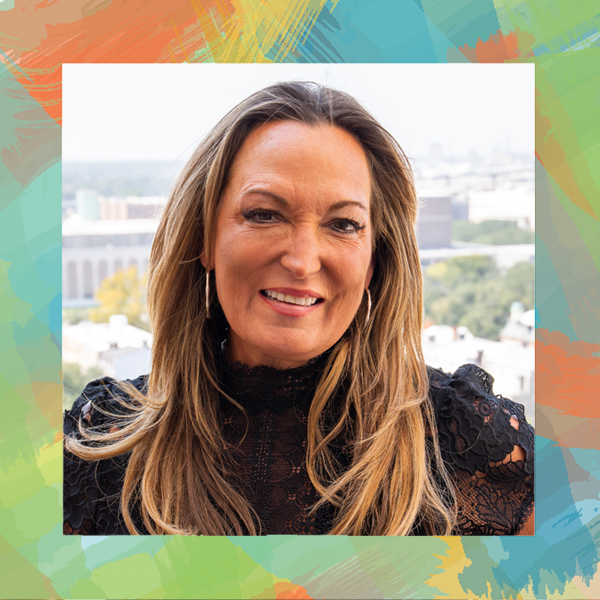
Jennifer Abshire
CEO and Founder
Abshire Public Relations
Abshire Public Relations is the region’s premier public relations and marketing firm founded in 2000, has earned national recognition from PRSA and PR News for creative excellence, and has been voted “Best PR Firm” by Savannah Magazine every year since the award’s inception in 2015. Jennifer Abshire grew the firm from a one-person consultancy into an award-winning agency serving corporate, municipal, and nonprofit clients across the Southeast. She has served as a trusted advisor to CEOs, boards, and community leaders—guiding brand strategy, navigating complex challenges, and leading initiatives that drive measurable growth and long-term impact. Abshire was named to Georgia Trend Magazine’s prestigious “40 Under 40” list and was honored as Alumnus of the Year by Georgia Southern University’s College of Liberal Arts and Social Sciences. Abshire serves on the boards of the Georgia Chamber of Commerce, Savannah Technical College, and Georgia Southern University’s Parker College of Business. Abshire is a graduate and former program chair of Leadership Georgia, Leadership Southeast Georgia, and Leadership Savannah.

Matt Barnes
Managing Partner
Workfast Consulting
Matt Barnes helps organizations improve execution, strengthen leadership, and navigate transformation through the alignment of people, process, technology, and AI. With more than 20 years of leadership experience across operations, consulting, technology, and organizational transformation, Barnes has worked with businesses, nonprofits, and leadership teams to improve strategy execution, operational effectiveness, and workforce performance in rapidly changing environments. A growing focus of Barnes’s work is helping organizations understand and responsibly apply Generative AI in practical and meaningful ways. He helps leaders evaluate AI opportunities, improve productivity, strengthen decision-making, and establish thoughtful governance approaches for the future of work. He is passionate about ensuring technology serves people and communities in positive ways. In addition to his consulting work, he actively supports foster care programs and nonprofit organizations serving families and children in crisis.
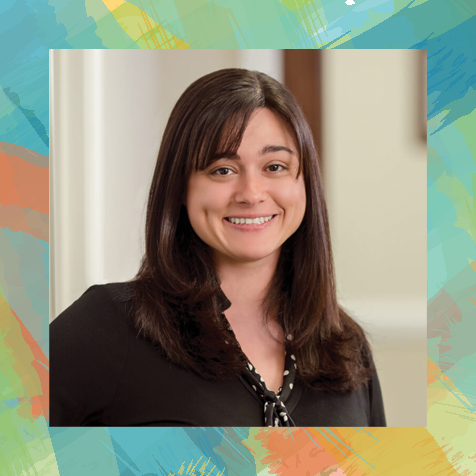
Nadia Batey
CPA & Partner
James Moore & Company
A certified public accountant in Georgia and Florida, Nadia Batey has been providing extensive tax, advisory, and CFO services to a variety of businesses and nonprofits for almost 22 years. She works with clients in a broad range of industries and sizes.
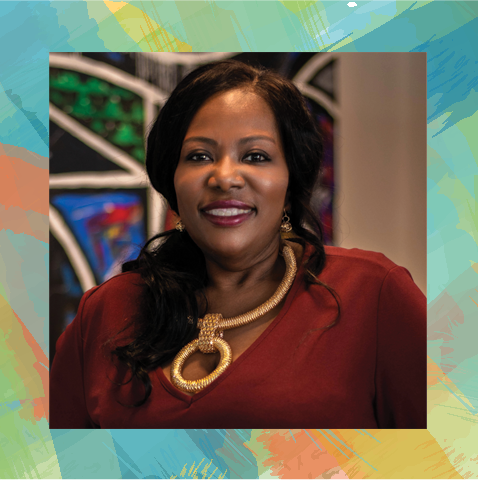
Audrey Bell-Kearney
Founder and President
Gwinnett Women’s Chamber
Audrey Bell-Kearney is an author, entrepreneur, publisher, and creative visionary known for blending storytelling, technology, and audience engagement into unforgettable experiences. She is the creator of The Housewives of Gwinnett™ (THOG), an interactive mystery entertainment brand that combines books, livestream trivia, puzzles, community experiences, and digital storytelling. With more than 27 years as an entrepreneur, Bell-Kearney is also the publisher and host of Good Morning Gwinnett, has produced thousands of podcast episodes, and is passionate about helping creators, authors, and entrepreneurs leverage technology, livestreaming, and AI-powered tools to grow their brands and increase visibility. Bell-Kearney teaches practical strategies for showing up confidently online, building community, and turning creativity into income streams.
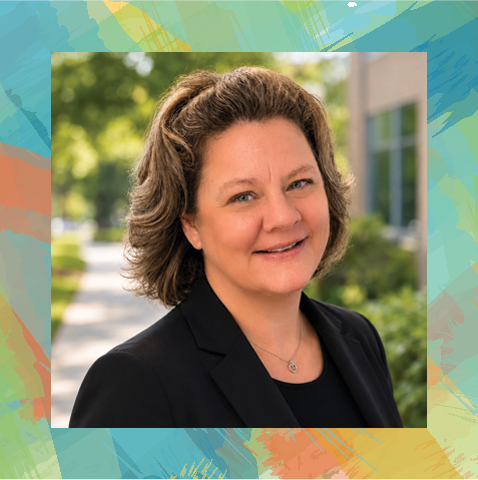
Rebecca Bliss
Regional Manager
Georgia Family Connection Partnership
Rebecca Bliss joined Georgia Family Connection in 2016 with a passion for supporting children and families across Georgia. As a Regional Manager, she supports Collaboratives throughout Northwest Georgia, working with coordinators and community partners to strengthen local systems of support. Bliss’s background in accounting brings valuable skills in leadership, organization, and financial management to her work.
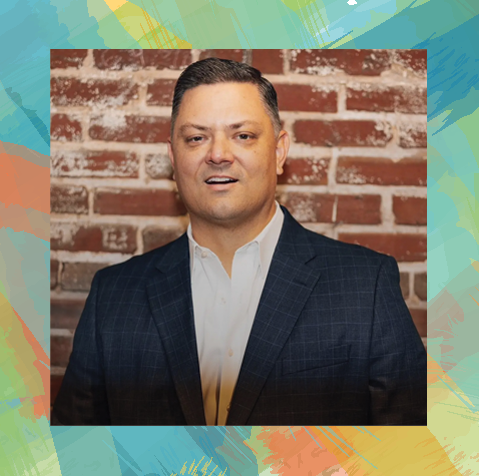
Zach Blend
CEO
Goshen Valley Foundation
Under his leadership, the Goshen Valley Foundation has expanded to include four operating agencies—Goshen Valley Boys Ranch, Goshen New Beginnings, Goshen Homes, and Goshen Therapeutic Services—each serving a distinct population within Georgia’s foster care system. Blend has served as an adjunct professor at Reinhardt’s McCamish School of Business and was previously recognized as one of Georgia Trend Magazine’s “Top 40 Under 40.”
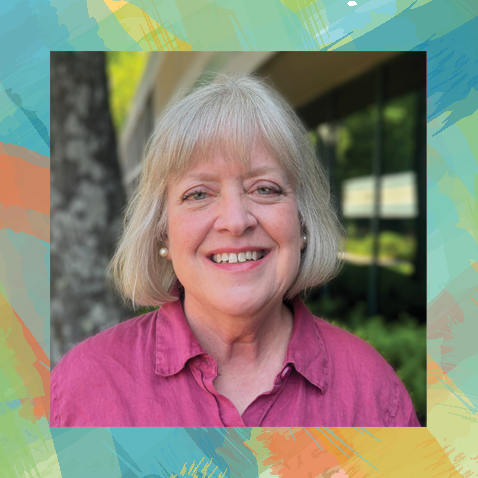
Sharon Brewer
Certified Community Resiliency Model (CRM) Teacher
Wellroot Family Services
Sharon Brewer teaches wellness skills that can be readily learned and practiced, enhancing the ability to withstand and recover from stress and trauma. Brewer has trained social workers, first responders, educators, parents, students, disaster teams, and clergy, among others. Her work enables participants to understand the biology of their reactions to stress and trauma and use CRM® skills to restore their resilience. Sharon is affiliated with the Trauma Resource Institute, where CRM® was developed.

Tanesse Brown
FAIR Project Program Manager
Georgia Appleseed
Tanesse Brown supports families and advocates navigating school discipline, enrollment, and special related barriers. Brown equips advocates and caregivers with practical strategies to communicate effectively with schools and secure appropriate supports, helping students stay engaged and on track for long-term success.

Dr. Tammi Clarke
Research and Evaluation Specialist
Georgia Department of Education
Dr. Clarke works with the Georgia Department of Education in the Office of Whole Child Supports. She has played a key role in developing Georgia’s new School Climate Surveys and revising the School Climate Star Rating system to improve how school climate data are calculated, interpreted, and communicated. Her work focuses on helping educators, districts, and community partners understand and use school climate data to support meaningful improvement for students, families, and schools.
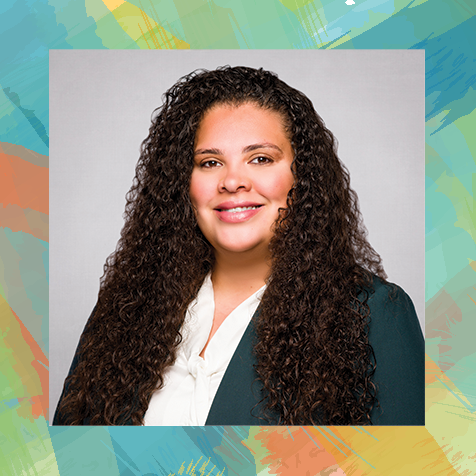
Kathleen Da Silva
Director of Regional Engagement
Georgia Partnership for Excellence in Education
Kathleen Da Silva joined the Partnership team in 2023. She has previously worked in public education and nonprofit sectors, developing and implementing programs supporting families and communities. Most recently, at the Atlanta Mission, a nonprofit organization empowering those experiencing homelessness, she served as the corporate account manager. In this role, she recruited, managed, and stewarded all employment partners, contributing to the goal of transforming lives and communities through sustained employment.
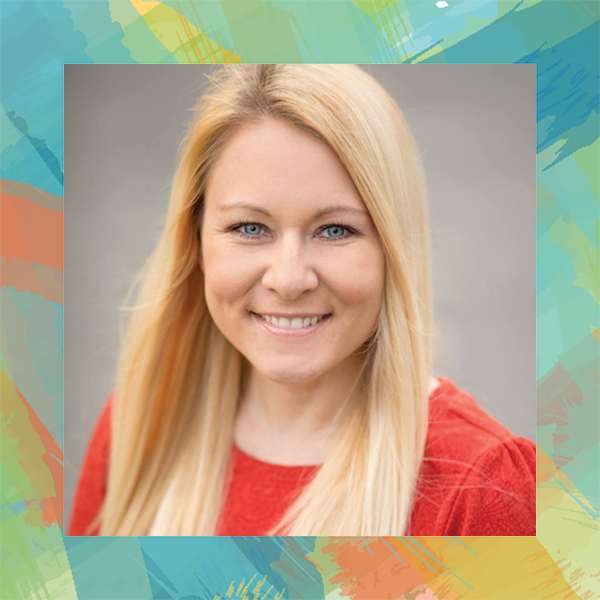
Krystin Dean
Associate Director of Communications
Georgia Family Connection Partnership
Krystin Dean has more than 15 years of communications experience in nonprofit, higher education, and community-based organizations. She specializes in strategic communications, storytelling, branding, and digital content. Dean is passionate about using communication to connect people, build partnerships, and create positive change. She previously served as director of Communications and Marketing at Young Harris College. She is invested in her community, leading a monthly homeless outreach and serving on the board and as a team leader for the Freedom Readers literacy program.
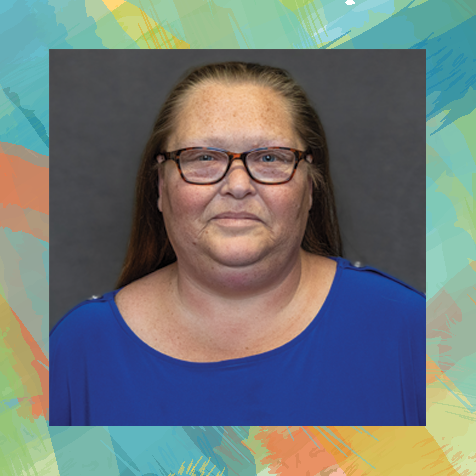
Dawn Deen
Executive Director
Brantley County Family Connection
Dawn Deen has served Brantley County since 2013, starting as the administrative assistant until 2024 when she became executive director. Dawn serves on the OATH Recovery Board of Directors, TRUST Partnership Leadership Team, and Ferst Readers Community Action Team Lead. When wildfire broke out in her community on April 21, 2026, Deen sprang into action to see how she could benefit her community. Within 24 hours donations—both in-kind and monetary—were pouring into her office. Brantley County Family Connection quickly became the official county donation hub for both in-kind and monetary donations. Deen currently leads the finance committee and donation hub.

Amy Griffin
Executive Director
Lanier County Family Connection
Lanier County Family Connection
Amy Griffin has served as executive director of Lanier County Family Connection for 16 years. When Hurricane Helene hit, she and her team did what no app could do: they went door to door through a county with no phone service or Wi-Fi to reach families. Working alongside TruthPoint Church, Lanier County Family Connection set up a distribution center, coordinated incoming donations, and made sure resources got to those who needed them. That experience reshaped how Griffin thinks about disaster response. Her core belief is now that the partnerships you build before a storm hits are the ones that carry you through it. She brings a practical, on-the-ground look at what community mobilization looks like when the lights go out.
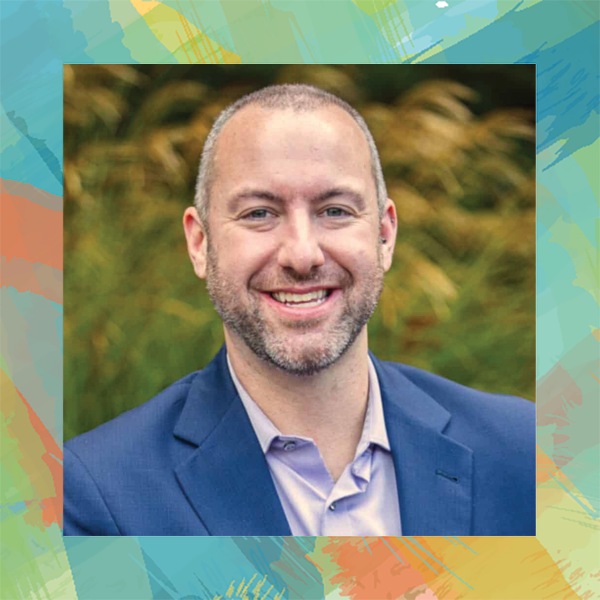
Jack Grote
Senior Staff Attorney
Georgia Appleseed
Jack Grote works on the FAIR Project representing children in school discipline hearings and special education matters. Prior to working for Georgia Appleseed, he worked at Atlanta Legal Aid Society and Georgia Legal Services.
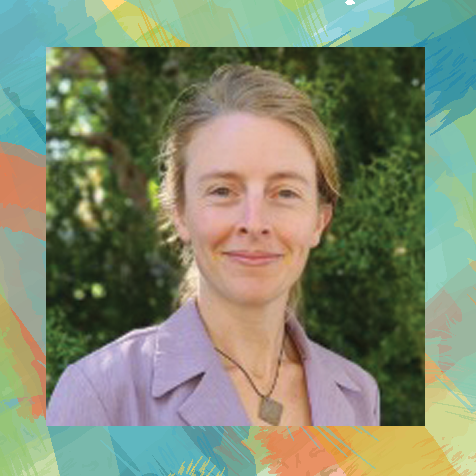
Dawn Harfmann
Program Manager
National Issues Forums Institute (NIFI)
Dawn Harfman supports program development and implementation and the coordination of NIFI partner engagement. Harfman has a background in research and practice concerning nonpartisan community collaboration across differences, and she serves as a trained moderator through Braver Angels, a political bridge-building organization. Harfman has served as an educator in K-12 and at the college level, leading place-based and experiential learning initiatives both in the classroom and in field settings.
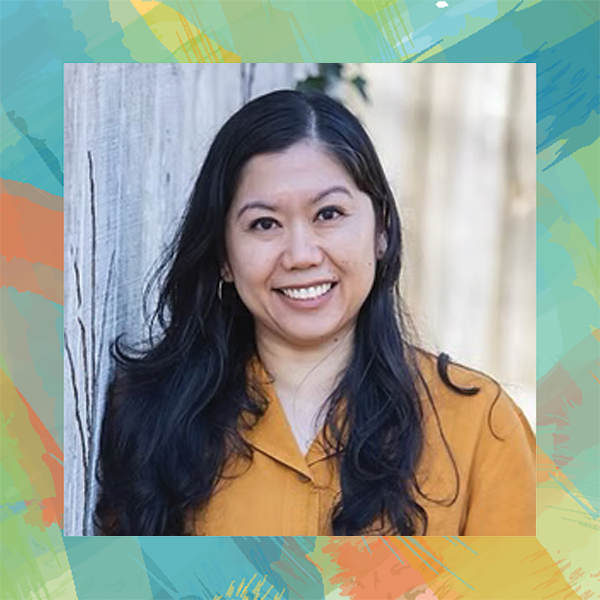
Audrey Idaikkadar
Director of Regional Programs
Resilient Georgia
Audrey Idaikkadar supports and champions coalitions in their work to prevent and heal childhood adversity, advance trauma-informed awareness and care, and promote resilience with children and their families in their communities. She has collaborated closely with the Georgia Essentials for Childhood: Preventing Adverse Childhood Experiences Through Data to Action Initiative to create the Georgia PACEs Report Card. This resource illustrates how Positive and Adverse Childhood Experiences shape children’s well-being across the state.
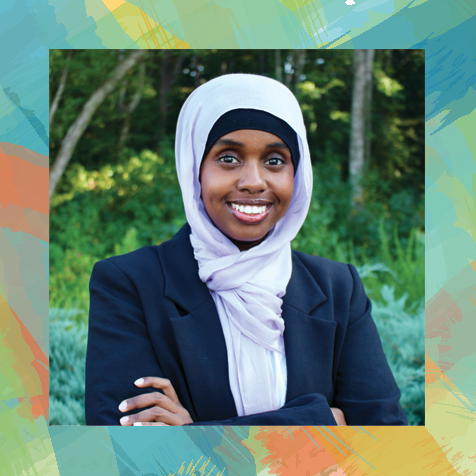
Fowzio Jama
Research and Evaluation Consultant
Fowzio Jama is a public health researcher and evaluator with experience in program evaluation, mixed-methods research, and community-based initiatives. Her work focuses on helping organizations and communities use data to strengthen strategies, inform decision-making, and translate findings into practical action.
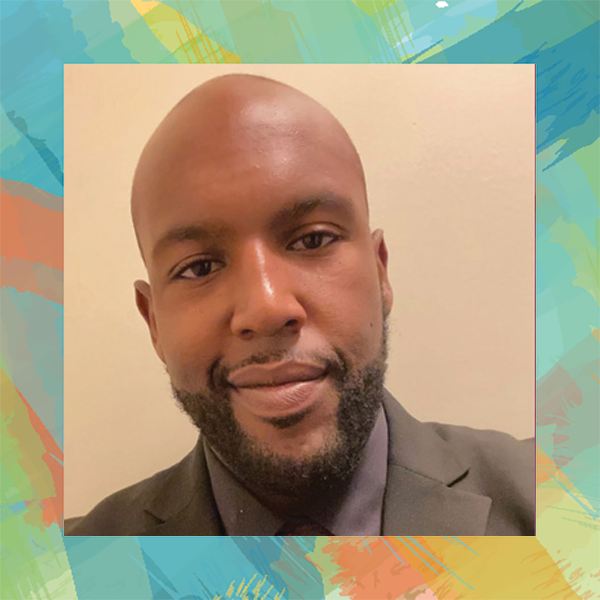
Jacquan Jordan
Georgia KIDS COUNT Data Manager
Georgia Family Connection Partnership
Jacquan Jordan brings nearly 10 years of experience in nonprofit work to his role managing the KIDS COUNT data and data tools for the Georgia Family Connection network. Jordan regularly provides trainings on KIDS COUNT data tools, sharing valuable insights and practical knowledge from his expertise in data management, data storytelling, and analysis. In addition to his civilian career, Jacquan proudly serves as a United States Navy Corpsman, affectionately known as “Doc” to his Marines.

Anne Ladd
Program Specialist
Georgia Department of Education
Anne Ladd has led the Georgia Parent Mentor Partnership for more than 13 years. Her work focuses on supporting families of students with disabilities and advancing authentic family engagement. Ladd also contributed to the revision of Georgia’s new School Climate Survey, emphasizing the importance of stakeholder voice and family perception.
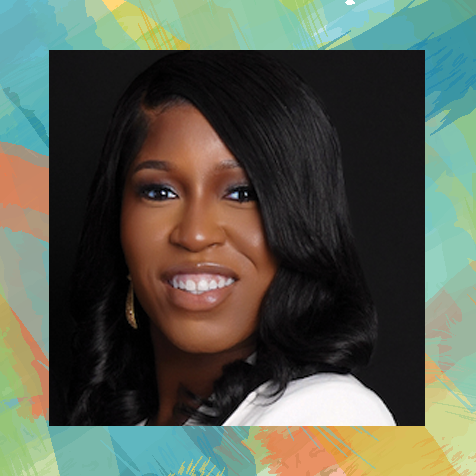
Dr. Ty’Sheka Lambert
Community Engagement Organizer
GeorgiaCAN
Dr. Ty’Sheka Lambert is a developmental psychologist, educator, executive psychological coach, and community engagement leader with extensive experience in K–12 education, family engagement, school operations, and education advocacy. In her work with GeorgiaCAN, Dr. Lambert supports families and communities in understanding education policy, accessing quality school options, and effectively advocating for students. She also leads community events, parent trainings, and statewide partnerships focused on strengthening educational opportunities. She is proud to contribute to policy development and education reform that expands opportunity and strengthens communities statewide.
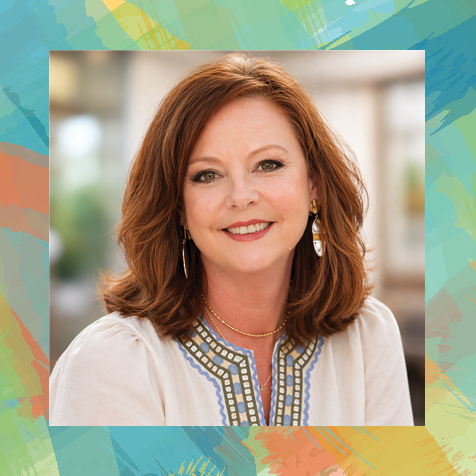
Stacey Lutz
Interim State Literacy Director
Georgia Office of Education and Workforce Strategy
Stacey Lutz provides statewide leadership and coordination for Georgia’s literacy efforts and supports the implementation of the Georgia Early Literacy Act of 2026. Her responsibilities include oversight and continuous improvement of the statewide literacy plan, coordination across state and regional agencies, and leadership of the Georgia Literacy Coordinating Committee and Georgia Literacy Task Force. Lutz brings more than 30 years of experience in education as a teacher, administrator, statewide program leader, and evaluator. She retired in 2024 as Director of Strategic Programs and Evaluations at the Governor’s Office of Student Achievement, where she led statewide initiatives in literacy, professional learning, leadership development, and program evaluation. She was a key architect of Growing Readers, a statewide literacy coaching initiative developed in partnership with Georgia’s 16 RESAs, and founded the Governor’s School Leadership Academy, a statewide leadership development program for educators across the career continuum. Her work focuses on connecting policy, research, professional learning, and practice to strengthen literacy and educational leadership systems across Georgia.
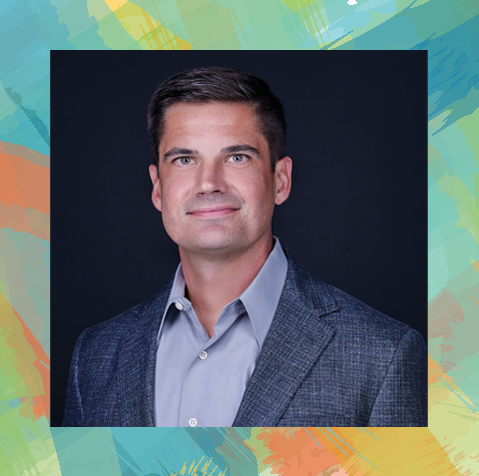
Jeremy McLendon
Deputy Regional Disaster Officer
American Red Cross
Jeremy McLendon leads statewide disaster preparedness, response, and recovery operations. He oversees teams responsible for mass care, client services, preparedness, response and planning while coordinating closely with local, state, and federal partners to deliver humanitarian aid across the state. Before joining the Red Cross, McLendon served 20 years in the United States Air Force, retiring as a Chief Fire Officer. His career in emergency services includes leadership in fire and rescue operations, crisis management, and community resilience initiatives, with a strong emphasis on strategic planning and community risk assessment. He routinely led hazard analyses, facilitated SWOT assessments, and aligned operational capabilities with identified risks to improve readiness and response outcomes. McLendon is a credentialed Chief Fire Officer, and his experience includes directing large-scale disaster operations, coordinating multi-agency responses, and strengthening volunteer engagement initiatives that enhance preparedness, resilience, and recovery capabilities across Georgia.
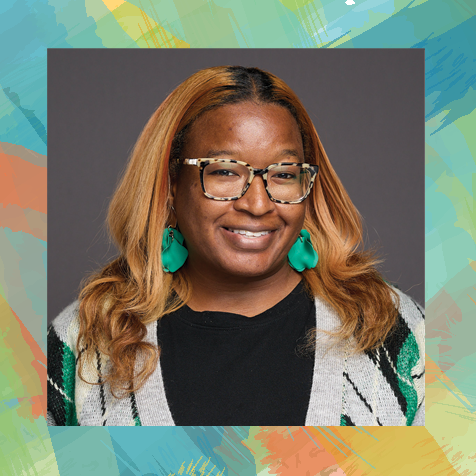
La’Keidra Mitchell
Senior Research Associate, Georgia Health Policy Center
Georgia State University
La’Keidra Mitchell is a senior research associate with the Mindworks Georgia team. She helps lead Georgia’s local system of care efforts with emphasis on statewide coordination and technical assistance for Local Interagency Planning Teams; this includes the assessment, development, and implementation of strategies and best practices to support children’s behavioral health. Mitchell also works to improve coordination and communication between the local community partners and state leadership. Before joining the Health Policy Center, Mitchell worked for many years in the nonprofit sector in New Orleans in HIV/AIDS prevention, reproductive health, and community engagement. While there, she was first introduced to system of care working in the greater New Orleans area. She supported local, multi-agency collaboratives to address children’s behavioral health challenges through policy development and training.
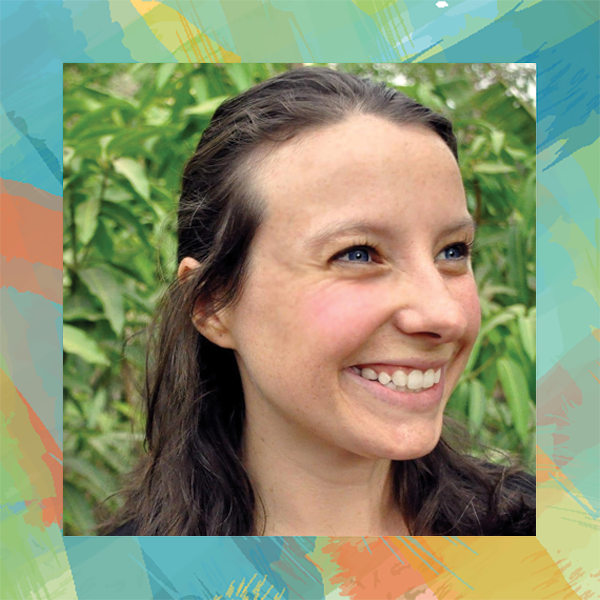
Grace Morrow
PACE D2A Program Manager
Department of Public Health
Grace Morrow oversees the Essentials for Childhood: Preventing ACEs Through Data to Action program (Essentials PACE). Essentials PACE stives increase the use of data on child and family well-being for decision making, by making the data more accessible and understandable to decision makers and advocates. In addition to overseeing the development of public facing data products, Morrow also works with her team to increase data literacy skills through trainings and providing technical assistance upon request.
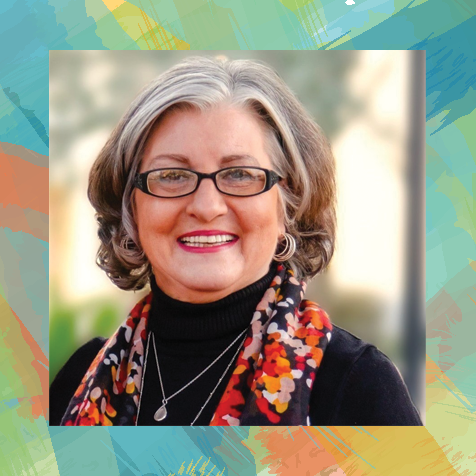
Dr. Zola (Zoe) Myers
Executive Director
Cook County Family Connection
Dr. Zola (Zoe) Myers has served as executive director of Cook County Family Connection for 27 years, building a successful community-based nonprofit with over 100 partners who work together to improve rural health. As a professional grant writer, she has secured over $16 million to support a variety of health, safety, and wellness projects across South Georgia. As an experienced sociologist and former professor, Dr. Myers conducts social research on rural issues and has published multiple data and research studies for Robert Wood Johnson Foundation, Urban Institute, and other state and national partners.

Kirk O’Brien
Evaluation Consultant
Kirk O’Brien is a consultant with child and family serving agencies across the United States, partnering with agencies to build capacity to use data in decision-making. He consults and engages in data collection, analysis, reporting, and messaging. O’Brien consults on best practices around collecting and analyzing data so agencies can have confidence in their data collection and interpretation. These efforts are all in service of supporting decisions to improve staff training, practices, and policies. As part of this work, O’Brien engages stakeholders, including people with lived experience, community members, staff, agency leaders, researchers, and policymakers. Since 2022, he has contracted with several agencies, including Georgia Family Connection Partnership, where he engages directly with communities across Georgia to support their data and evaluation needs and aid in strategic planning. Prior to consulting, O’Brien worked for two decades with Casey Family Programs.

Bridget Ratajczak
Child and Family Development Supervisor
Georgia Department of Early Care and Learning
In addition to her role with DECAL, Bridget Ratajczak serves as the CDC’s Act Early Ambassador for Georgia. She provides support for early childhood professionals and families on the topics of developmental monitoring, child development, and family engagement. She has over 30 years of experience in the early childhood and early intervention field. Her areas of expertise include early identification of developmental delays and lifting family voice to support engagement in their children’s early learning.
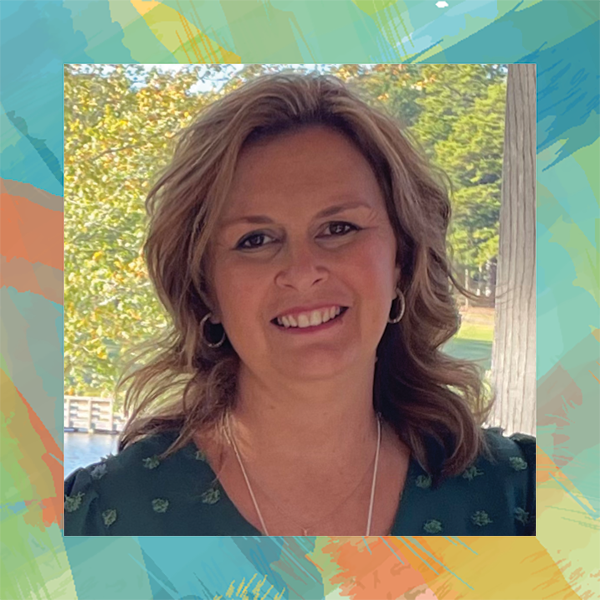
Amy Roys
CAPS Director for 2Gen Strategies and Partnerships
Georgia Department of Early Care and Learning
Amy Roys leads statewide two-generation initiatives for the CAPS program, including cross agency partnerships that integrate family voice into policy and practice. With more than 15 years of experience in family support systems, Roys specializes in translating lived experience, data, and collaboration into meaningful system change.
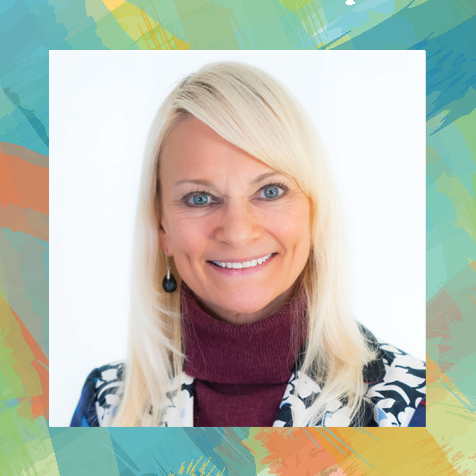
Stacey Sakal
Director of Regional Expansion
Kate’s Club
Kate’s Club is a nonprofit dedicated to empowering children and teens facing life after the death of someone important to them. In her role, Sakal leads community outreach initiatives, develops partnerships with schools and organizations across Georgia, and expands access to grief support services for children, families, and communities. Sakal provides trainings for educators, school personnel, and mental health professionals on child bereavement. She is passionate about increasing grief awareness and creating compassionate communities in which it is okay to grieve, she works to ensure that grieving youth have access to the support, understanding, and resources they need to thrive across the entire state of Georgia.
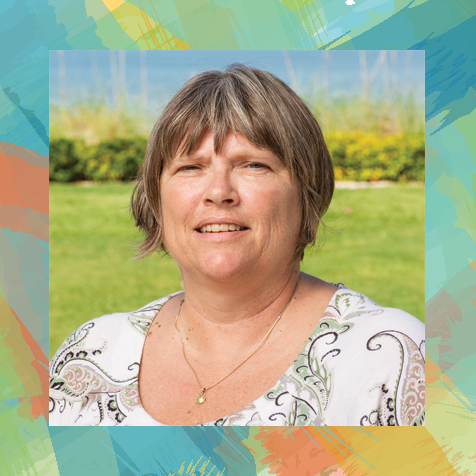
Linda Seals
State Specialized Agent
University of Florida/IFAS Extension
Linda Seals has spent more than 20 years helping communities tackle challenges, build partnerships, and create positive change. She leads statewide programs focused on civic engagement, facilitation, grant writing, and sustainable living, including the award-winning Community Voices, Informed Choices (CIVIC) program. Seals is passionate about bringing people together for meaningful conversations on complex issues and helping communities find practical solutions that work for them. Through her teaching, facilitation, and community engagement efforts, she has worked with thousands of Floridians and continues to support Extension professionals, local leaders, and organizations across the state.
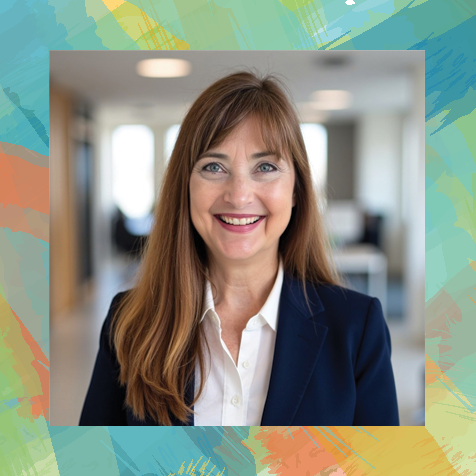
Jacqueline Shoemaker
Executive Director, South-Central Georgia Chapter
American Red Cross
Jacqueline Shoemaker brings nearly four years of dedicated leadership focused on strengthening community impact and collaboration. She leads a community mobilization effort that brings together staff and volunteers across departments and lines of service, aligning disaster response, preparedness, and humanitarian programs around shared community priorities. Shoemaker works to break down silos, elevate community voice, and build internal partnerships that reflect the Red Cross mission and Fundamental Principles. Under Shoemaker’s leadership, the chapter has strengthened its community‑centered approach to resilience, including close collaboration with Lanier County Family Connection. Together with schools, local government, nonprofits, and residents, partners are improving preparedness, strengthening communication pathways, and expanding access to resources before, during, and after disasters. Her systems‑thinking background informs her approach to community resilience, emphasizing coordination, shared leadership, and sustainable local capacity.
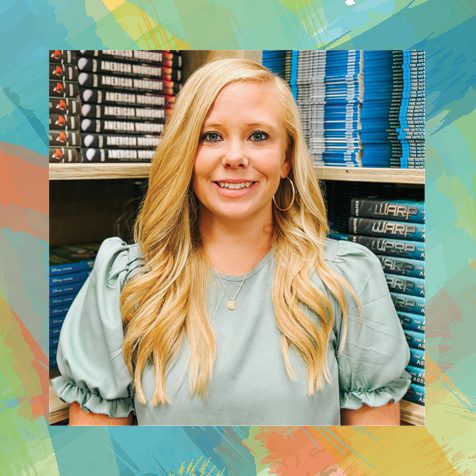
Natalie Singletary
Coordinator
Brooks County Family Connection
Natalie Singletary has served as coordinator of Brooks County Family Connection since 2014, successfully implementing projects dealing with emerging issues and gaps within Brooks County. After Hurricane Helene, Brooks documented social determinants of health issues including increased food insecurity, increased need for personal hygiene items, lack of disaster preparedness issues, and low resiliency to natural disasters. Singletary wrote and received funding through the American Red Cross. Brooks County Family Connection formed a strong long-term recovery group; joined the regional COAD through Second Harvest of South Georgia; decreased food insecurity; provided personal hygiene items; equipped four local locations with generators and generator plugs, large volunteer tents, and cooling stations; conducted a Community Assessment and Key Leader Interviews; distributed thousands of disaster preparation items into local, under-resourced households; implemented a social media campaign, distributed thousands of prevention materials through monthly resource kits; developed strategic plans for natural disasters; and built capacity through partnerships and trainings.
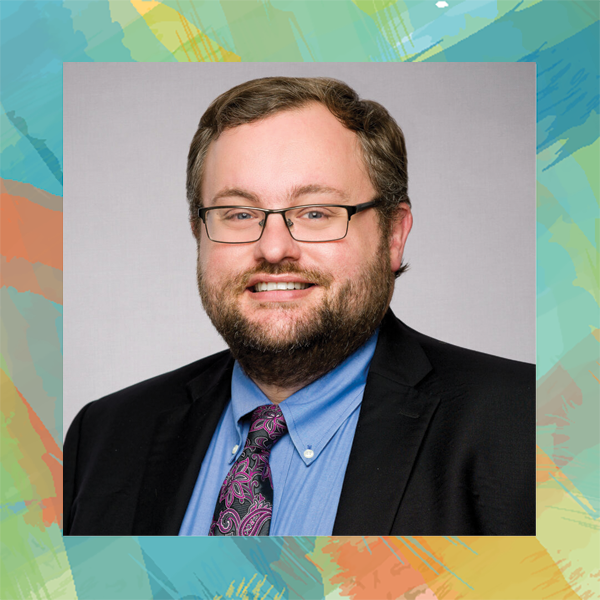
Matthew Smith
Director of Policy and Research
Georgia Partnership for Excellence in Education
Matthew Smith works with a diverse group of education stakeholders—state legislators, state agency staff, district leaders, and philanthropies—to develop strategies that transform student outcomes. He manages EdQuest Georgia, a statewide education and workforce initiative that champions strategies that prepare Georgians for long-term economic success.
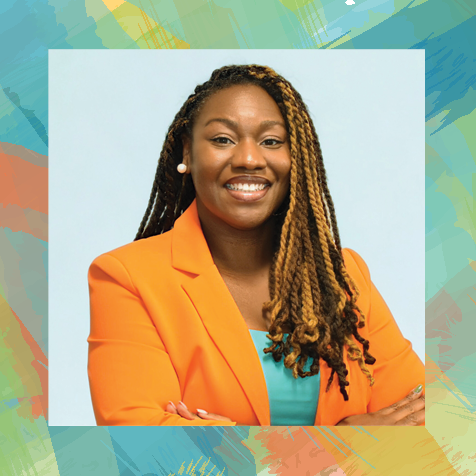
Dr. Kinyatta Trice
Associate Director
Georgia Statewide Afterschool Network
Dr. Kinyatta Trice serves as the associate director of the Georgia Statewide Afterschool Network’s (GSAN) BOOST Grants Program, a public-private partnership among the Georgia Department of Education, Joseph B. Whitehead Foundation, and GSAN. She leads the statewide implementation of the BOOST Grants Program, overseeing grant operations, partner engagement, technical assistance, professional learning, and continuous improvement efforts that expand access to high-quality out-of-school time opportunities for youth across Georgia. She also leads the program’s research and evaluation strategy, using data and stakeholder feedback to strengthen program quality and organizational effectiveness. With more than 17 years of experience in community engagement and 13 years in education program administration, research, and evaluation, Dr. Trice has led complex, multi-stakeholder initiatives that improve outcomes for youth, families, and communities. Her expertise spans grant administration, partnership development, qualitative and mixed-methods research, program evaluation, capacity building, and data-informed decision-making.
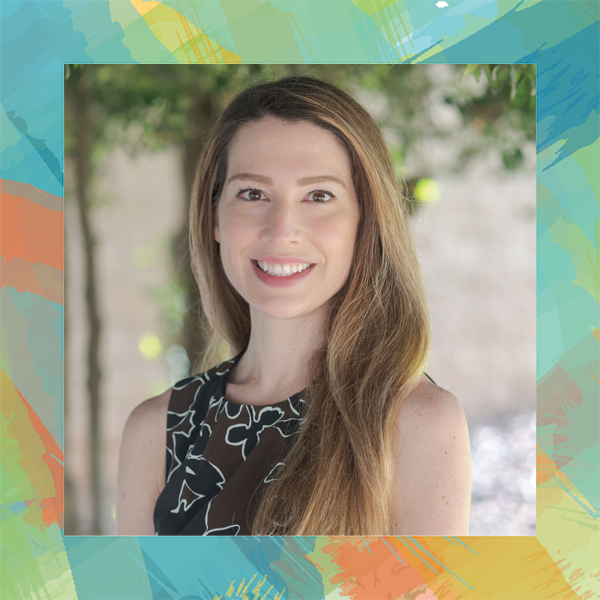
Dr. Jyll Walsh
Assistant Director
Positive Childhood Alliance, Georgia State University
Dr. Jyll Walsh provides oversight of PCA Georgia’s primary prevention initiatives and serves as subject matter expert on child abuse and neglect prevention. She also works to educate and advocate for programs and policies that strengthen families, particularly around economic justice. Previously, Jyll was as an ORISE fellow at the Centers for Disease Control and Prevention’s National Center for Birth Defects and Developmental Disabilities, where she supported communication efforts related to the “Learn the Signs. Act Early.” program for parents of children with developmental delays. She has also worked with Strengthening Families Georgia to manage their statewide training program.
Trailblazer
Amerigroup is the single care management organization (CMO) in charge of coordinating care for children in Foster Care, children receiving Adoption Assistance and select youth in the Juvenile Justice system.
The Annie E. Casey Foundation is a private philanthropy that creates a brighter future for the nation’s children and youth by developing solutions to strengthen families, build paths to economic opportunity, and transform struggling communities into safer and healthier places to live, work and grow.
Ignite

Greater Valdosta United Way works to create stronger communities where individuals and families have access to the resources, support, and opportunities they need to build a better future. We invest in solutions, create partnerships, mobilize volunteers, and address critical community needs to maximize our impact across South Georgia. By bringing nonprofits, businesses, community leaders, and individuals together, we turn collective generosity into meaningful action and lasting change.
Voices for Prevention is a statewide nonprofit organization that provides substance use prevention and suicide prevention advocacy via policy education, legislative updates, webinars, and prevention-related activities.

Unite Us is the technology infrastructure powering coordinated care networks across the country, connecting health and human service providers so communities can work together instead of as a patchwork of disconnected services. Our platform enables electronic referrals, closed-loop tracking, and shared outcomes data, giving providers real-time visibility into the care their clients receive across organizations. Optional predictive analytics take this further, helping communities anticipate needs, allocate resources effectively, and address social determinants of health before they become crises. As the connective infrastructure behind the Unite Georgia network, Unite Us empowers government agencies, healthcare organizations, and nonprofits to deliver better outcomes together.

Georgia Health Initiative is a private, non-profit foundation whose mission is to inspire and promote collective action that advances health equity for all Georgians.
 At Farmers and Merchants Bank, we are proud of our rich banking heritage, and actively embrace the future with optimism. Our focus has always been on developing long-term strategies while remaining open to new opportunities that reflect our banking philosophy and those that address the needs of the communities we serve. We aim to transform each opportunity into meaningful changes that will strengthen and diversify our institution. Our management team is principally committed to ensuring that our bank adapts to the evolving needs of our customers. Despite advancements in both time and technology, our unwavering dedication to being “The Best of the Best” continues to guide our efforts.
By sponsoring this conference, you’re not just supporting an event—you’re investing in the relationships, strategies, and local leadership that drive long-term impact in all 159 counties. Your investment expands access, strengthens collaboration, and fuels innovative strategies that improve education, health, and family well-being across Georgia.
Sponsorship Levels
Visionary Sponsor — $25,000 (exclusive)
Pacesetter Sponsor — $10,000
Trailblazer Sponsor — $5,000
Ignite Sponsor — $1,000
Community Champion—A Direct Investment in Local Leadership and Impact
Sponsor a local coordinator, board member, or Collaborative partner to attend the conference so they can return with strategies that strengthen your community. Community Champions receive recognition at the conference and in the sponsored participant’s county.
Additional On-Site Opportunities
Support high-impact conference experiences, including keynote speakers, networking receptions, and meals. Opportunities are also available for branded materials, giveaways, and other custom sponsorships.
Download the Sponsorship Prospectus.
Who should attend the conference?
Georgia Family Connection coordinators and board members, local and state partners, and elected officials should attend this event. It’s designed for collaborators who are determined to finding solutions to the complex issues that challenge children and families in their communities by setting priorities and developing strategies based on their own local data. This diverse group represents urban and rural areas of Georgia, as well as multiple sectors of community life, including social services, education, government, health care, and business.
Are accommodations included in the conference registration fee?
No. Hotel rooms must be booked separately when registering for the conference.
Is there a deadline for booking a hotel room?
Yes. Rooms may be booked at the Westin Jekyll Island or at the Home2Suites by Hilton Jekyll Island at the conference group rate through 5 p.m. on Monday, Sept. 26.
Is there a fee to share a hotel room?
Only if there are more than two people. Some attendees choose to share hotel rooms to reduce travel expenses. The Westin charges a $25 fee for each third and fourth guest over age 17 sharing a room.
Do I need to book my hotel room and make my own travel arrangements?
Yes. All participants are responsible for their conference travel and hotel arrangements.
What is the fee to gain access to Jekyll Island?
The Jekyll Island parking fee is $10 per day, to be paid at the gate upon arrival or online. Pay only $10 regardless of the number of days you stay on the island. If you leave the island, you will have to pay $10 again to re-enter.
Is there a fee to park at the hotels?
Westin guests must pay a $10 per-room, per-night resort fee, which includes self-parking, wireless internet access in the lobby and guest rooms, and an island-wide shuttle service.
What is the registration deadline?
Registration deadline is Friday, Oct. 14. We also want to ensure that you have time to download and become familiar with our conference app.
What does my conference registration include?
The full conference registration includes admission to all sessions, workshops, social events, and organized meals.
Which meals are included with conference registration?
The opening reception on Wednesday will feature light appetizers. On Thursday, participants will enjoy a full breakfast buffet, elevated boxed lunch, and networking reception with appetizers. The conference will conclude with a light breakfast on Friday morning followed by a brunch buffet. Dinner on Wednesday and Thursday nights will be on your own.
Can I register for just one day of the conference?
Yes. The rate for registering for any single day of the conference is $300. The early-bird rate does not apply to single-day registration. Single-day registration includes admission to all sessions, events, and meals on that day.
Do I have to pay the conference registration if I just want to attend a particular workshop or event?
Registration is required to attend workshops and events. You have the option to register for one day, but not for individual workshops or events.
What is the proper attire for the conference?
Wednesday: Resort casual (skirts or sundresses or slacks mid- to knee-length shorts, collarless or golf shirts, and khakis and sandals) is appropriate for Wednesday evening’s opening reception.
Thursday: Thursday evening’s networking reception will feature a North Georgia vs. South Georgia challenge. All conference participants from North Georgia are encouraged to wear eggplant (purple), and all conference participants from South Georgia are encouraged to wear green attire. Everyone is encouraged to wear these colors throughout the day. You may add more spirited items to your outfit prior to the reception, which may be stored in your car or in a bag labeled with your name at the reception desk.
Friday: Business casual attire is appropriate during the day Friday.
Wear comfortable shoes and bring layers. Air-conditioning is difficult to regulate in large facilities, and lecture rooms can be overly warm or chilly.
Is parking available at the Jekyll Island Convention Center?
Yes, ample parking is available.
Is transportation from my accommodations to the Jekyll Island Convention Center provided?
Home2Suites is located within walking distance. Other hotels on Jekyll Island provide shuttle service upon request.
Where can I have dinner?
Check out this list of Jekyll Island restaurants.
I have special dietary requirements. Can you accommodate my needs?
All conference meals have gluten free, vegetarian, and vegan options. You should note your dietary requirements upon registering for the conference. If you have questions or concerns, please contact Carlisa Beal at carlisa@gafcp.org or at 404-420-7413.
If I need medical care, where is the closest facility?
Urgent Care:
Mercer Medicine Jekyll Island
11 Main Street, Suite 201
Jekyll Island, GA 31527
(Second floor of the Jekyll Island Beach Village)
912-766-0755
Monday-Friday 9 a.m. – 6 p.m., closed Saturday and Sunday
Hospital:
Southeast Georgia Health System
Brunswick Campus
2415 Parkwood Dr.
Brunswick, GA 31520
912-466-7000
Pharmacy:
CVS
1605 Frederica Rd.
St. Simons Island, GA 31522
912-638-7732
Daily 9 a.m. – 8 p.m.
Who do I contact if there’s an emergency?
If the incident requires fire, police, or medical service, call 911 then alert the closest conference staff member. If you are in your hotel, call 911 then alert the hotel front desk or Elizabeth Turner at 770-547-1256.
I have registered for the conference and need to make a change. How can I do that?
For questions about registration, contact Carlisa Beal at carlisa@gafcp.org or at 404-420-7413. For questions about the conference, contact Elizabeth Turner at elizabeth@gafcp.org or at 404-420-7411.
How can I stay connected on social media?
We’re using the #LetsTalkGA hashtag to focus our conversations on social media.
You’ll receive access to our discounted room rates and booking links when you register for the conference.
We’re offering several lodging options across Jekyll Island this year, allowing you to customize your conference experience—from full-service resorts to shared villas with colleagues.
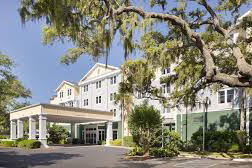 Hampton Inn and Suites Jekyll Island
Located off South Beachview Drive, the Hampton Inn and Suites Jekyll Island is a short walk from the beach via a boardwalk through the maritime forest. Jekyll Island Convention Center and restaurants are within two miles, and Summer Waves Waterpark, the Georgia Sea Turtle Center, and Jekyll Island Golf Club are less than 10 minutes away. Enjoy the pool, whirlpool, and kids’ pool. Daily hot breakfast and WiFi are included.
Room Types Available in Block
Standard Double Queen
Double Queen Suite
King Suite
Price Range
$185 – $205 plus taxes and fees
 Holiday Inn Resort Jekyll Island By IHG
A two-minute walk from the beach, the Jekyll Island Holiday Inn Resort features an outdoor pool with a sun terrace, and the fully equipped fitness center has an amazing ocean view. Modern-style rooms have an ocean view, free WiFi, a flat-screen TV, microwave, and refrigerator. Room extras include a coffee machine, small seating area, and an ensuite.
Enjoy daily all-day dining at the newly opened oceanfront restaurant 24 Coastal Grill, serving breakfast, lunch, and dinner daily. NorthShore Coffee serves Caribou Coffee each morning, and the balcony offers an ocean view. Guests can explore the area with Jekyll Island Fun Tours or visit the Georgia Sea Turtle Center, each less than a five-minute drive from the hotel, and the Jekyll Island Convention Center is less than 1.5 miles away.
Room Type Available in Block
Oversized Ocean View Room with Double Queen beds
Price
$172 plus taxes and fees
 Home2 Suites by Hilton Jekyll Island
Located off Route 520, Home2 Suites by Hilton Jekyll Island is set in the Jekyll Island Beach Village and is within walking distance of the beach and the Jekyll Island Convention Center. Summer Waves Waterpark can be reached in five minutes, and the Georgia Sea Turtle Center and Jekyll Island Historic District are two miles away. Enjoy an in-suite kitchen, free breakfast, and free WiFi.
Room Type Available in Block
Double Queen Bed Studio
Price
$239 plus taxes and fees
 Jekyll Island Club Resort
Jekyll Island Club Resort—the hallmark resort of Georgia’s famed Golden Isles—entrances today’s visitors with its Southern spirit and storied past. Three distinct resort experiences boasting a medley of timeless elegance and a barefoot beach lifestyle are complemented by enchanting and expansive grounds, six dining outposts, two pools, beach access, and the ultimate chance to disconnect. Here, guests are immersed in the island’s distinctive culture and the famed Club’s rich history shines.
Room Types Available in Block
Island Club Traditional Guestrooms
Island Club Deluxe Guestrooms
Island Club Cottage Guestrooms / Sans Souci
Price Range
$209 – $239 plus taxes and fees
 Villas by the Sea Resort
Villas by the Sea Resort and Conference Center, located adjacent to Driftwood Beach, is where nature meets the sea. Affordable and comfortable, the resort hotel is ideal for solo travelers, couples, families, and meetings. Choose from a wide selection of room types, many with a full kitchen and separate bedrooms. The villas are spacious, comfortable, and unique. Amenities including bike rentals and a large outdoor pool await you. Nearby you will find miles of biking and nature trails, a water park, golf courses, and tours both land and water.
Room Types Available in Block
Mini Villa / Studio
One Bedroom Villa
Two Bedroom Villa
Three Bedroom Villa
Price Range
$139 – $259 plus taxes and fees
Improving outcomes for children and families doesn’t happen overnight. Help us build a Spotify playlist featuring songs that inspire you to keep going day by day to share with our colleagues and partners on the journey to Jekyll Island. We’ll keep updating it throughout the conference.
Add your song by submitting the song title and artist via email (Subject Line: Playlist) to Kelsey (Kelsey@gafcp.org) or on social media using the #LetsTalkGA hashtag.
This submission will score you 10 points in our scavenger hunt.
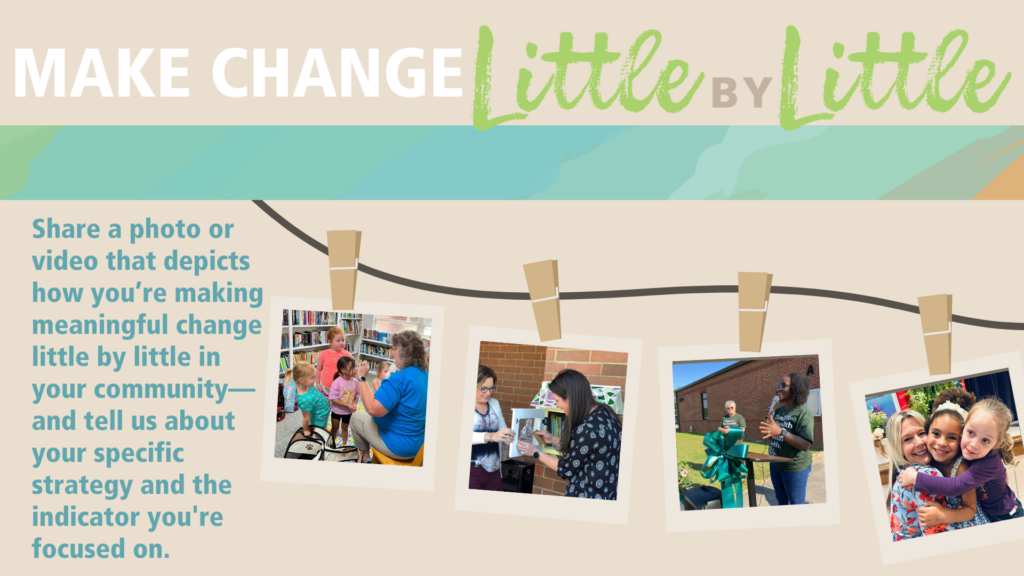
Share a video or picture that depicts how you are making meaningful change “Little By Little” in your community—and in one or two sentences tell us about your specific strategy and the indicator you’re focused on. Please submit only landscape (horizontal) videos.
Send your submission via email (Subject Line: Making Change) to Kelsey (Kelsey@gafcp.org) or share it on social media using the #LetsTalkGA hashtag.
Submissions will enter you into a drawing for a prize basket to be presented a the conference and score you points in our scavenger hunt.
Video = 50 points Photo = 30 points
New for 2026: The Conference Merch Store Is Open
What better way to show your Georgia Family Connection spirit than with some new merch? For the first time, we’re offering a Georgia Family Connection Conference 2026 Merch Store, where you can shop for apparel branded to Little by Little and Georgia Family Connection.
The Merch Store is separate from conference giveaways everyone will receive at the event. These items are available for you to purchase on your own. Order by Friday, Oct. 2, to have your merchandise in time for the conference.
There are two ways to get your merch:
- Have it delivered to your home or office—shipping charges apply; or
- choose the Jekyll Island pickup option at checkout, and your order will be waiting for you at the conference registration table.
This gives you an exciting new way to show your team spirit at our biennial North Georgia vs. South Georgia challenge held during Thursday evening’s networking reception. Wear these colors throughout the day on Thursday and add more spirited touches to your outfit before the reception where you can participate in our Most Spirited competition. Items may be stored in your car or in a bag labeled with your name at the reception desk.
Wellness Activities
Yoga on Thursday, Oct. 22
We invite you to jumpstart your day by focusing on your mind and body with morning yoga. Join yoga teacher and Wilkinson County Family Connection coordinator TaKarah DuPree for a gentle yoga session. No experience is required. Be sure to wear comfortable clothing and bring your yoga mat. You may also bring yoga blocks if desired. Sound bowls will be incorporated to offer additional opportunities for relaxation and sensory engagement, helping make the experience welcoming and adaptable for participants of all physical abilities.
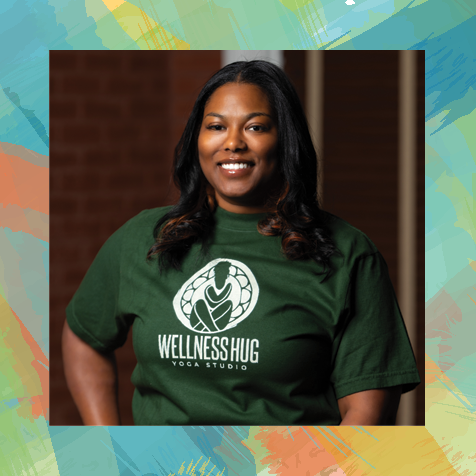 TaKarah DuPree, Wilkinson County Family Connection coordinator, began her personal yoga journey in 2018 and was quickly drawn to the profound mental and physical benefits it offered. Inspired by this transformation, she began inviting family and friends to practice with her. Aerial is her favorite type of yoga. Since then, she has opened a non-profit yoga studio called Wellness Hug in Downtown Macon. Wellness Hug operates 7 days a week with 13 instructors offering floor yoga, aerial yoga, sound bath, step aerobics, and mini retreats. Four to seven free yoga classes are offered monthly including weekly Yoga of 12 Step Recovery.
Zumba on Friday, Oct. 23
Love to dance, but not excited about working out? Love working out, but maybe you feel you have two left feet? Either way, Zumba is for you. Zumba combines dancing with core and full-body movement. With upbeat rhythms, some excited yelling, and the feeling of letting everything go just for a moment, Zumba invites you to move to the rhythm while sweating off the calories. No experience is required. Wear comfortable clothing and supportive sneakers. Bring a towel and water, and let’s have fun together.
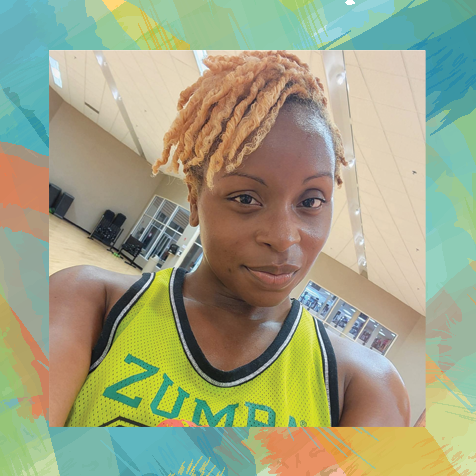 Sylvana Barfield is the founder of Fit Bodies Nutrition and Fitness, LLC, established in 2016, and the principal trainer for Fit Bodies. Barfield is a certified personal trainer, group fitness instructor, nutrition coach, and licensed Zumba instructor. Barfield has always had a passion for seeing people thrive, be healthy, happy, and whole, and she started out, and continues, training others in typical training modalities; however, since becoming licensed for Zumba in 2017, Zumba Fitness makes Barfield love what she does even more. To see people dancing and having a good time, while simultaneously working out, always makes Barfield remember the reason she got started in the fitness industry. Fit Bodies was founded with the belief that a healthy mind and strong body leads to a successful life. Whenever someone joins Barfield in class, that is one more step towards thriving. Barfield is excited to bring her passion for health and fitness to you, and can be found on TikTok (@ThatFitBodiesChick), Instagram (@fitbodiesnutritionandfitness), and Facebook (@fitbodiesnutritionandfitness).