
Oh, What Fun It is to Read
Brighten Up the Holidays with a Free Literacy Resource from Scholastic As your family prepares for the holidays, and kids… Read More
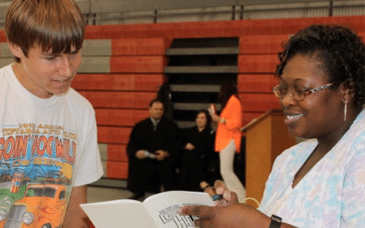
Brighten Up the Holidays with a Free Literacy Resource from Scholastic As your family prepares for the holidays, and kids… Read More
Georgia Family Connection turned 25 in 2016, so we’re taking you on a journey—region by region—throughout our anniversary year to… Read More

It’s time for a special Collaborative edition of Family Feud! This episode pits the Southern Nuts against High Cotton. The… Read More

by Renee Unterman I am paralyzed by this thought: hundreds of Georgia’s children lured, taken, trapped, exploited, and… Read More
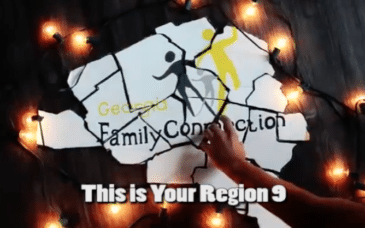
Georgia Family Connection turned 25 in 2016, so we’re taking you on a journey—region by region—throughout our anniversary year to… Read More
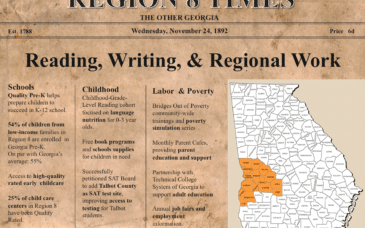
Extra! Extra! Read all about it! Collaboratives in the 16 counties located on the central western border of the state… Read More

Step aside, Luke Skywalker. The 14 Georgia Family Connection Collaboratives in Region 7 are leading an epic rebellion to rid… Read More
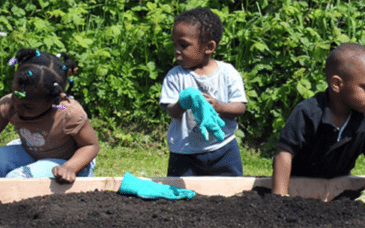
The 11 Georgia Family Connection county Collaboratives in Region 7 are bringing partners together with a common goal to strengthen families and help students succeed. Promoting healthy living, offering Bridges Out of Poverty training and GED recruitment events, making literacy for all ages a priority, working to prevent child abuse and neglect, and revitalizing communities are just some of the ways the Collaboratives are moving toward their goal.
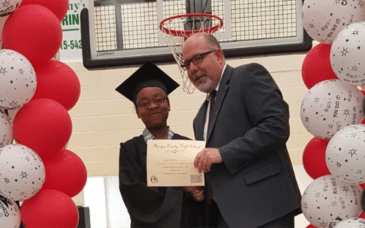
Distributing a half million books to kids, providing 50,000 meals to children who would have gone hungry over the summer and weekends, and logging in 45,000 volunteer hours valued at more than a million dollars are just some of the ways Family Connection is working to ensure that every child and family will thrive.
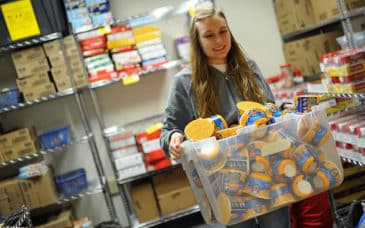
The 10 county Collaboratives in Region 4—located on the Georgia-Alabama line in the west central section of the state—where a quarter of the population lives in poverty, are committed to helping families become self sufficient, and to build positive behavior and relationships.

Georgia’s achievement gaps between children of color and white children, between low-income children and children in higher-income families, and between English language learners and English speakers are all narrowing, showing improvement across almost all sectors.
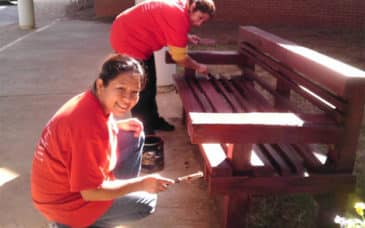
Offering family-focused cooking classes to address obesity prevention, encouraging men in the community to volunteer in schools, and providing health services for students in school-based health centers are just some of the ways the 10 Georgia Family Connection Collaboratives in Region 3 are improving conditions for children and families in and around metro Atlanta.